Faith
Baby steppin': Economy grew 2.5 percent in the third quarter. Democrats first offer: $3 trillion for debt. Immigration is a faith issue. Harsh rhetoric to derail the GOP? The canon of St. Paul's Cathedral in London resigns over plans to evict Occupy London protesters. Elizabeth Warren and the #OccupyWallStreet election test.
Finally, as President Obama has announced, this American war will soon be over, with most of the 44,000 American troops still in Iraq coming home in time to be with their families for Christmas.
The initial feelings that rushed over me after hearing the White House announcement were of deep relief. But then they turned to deep sadness over the terrible cost of a war that was, from the beginning, wrong; intellectually, politically, strategically and, above all, morally wrong.
The War in Iraq was fundamentally a war of choice, and it was the wrong choice.

The reason the word Evangelical has become so poisonous is because the answer to the above question comes from a conversion-based model of cultural engagement - political, theological and social. Too many Christians believe, and have wrongly been taught, that those "others" and "opposites" who have made an active choice not to believe in "our" teachings are justifiably: 1) left to their own devices as we wash our hands of them because of their bad choice (think in terms of blood-on-their-own-head); or 2) uninformed, so much so that their "no" is an illegitimate answer.
Evangelicals care more about positions -- whether progressive or conservative -- than people. We lack nuance. We have become either all Scripture or all Justice. I don't know where the balance was lost in terms of holding Scripture in high authority and, simultaneously, loving with reckless abandon?
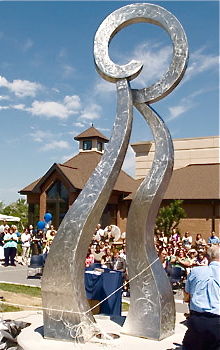
Our moral strength as a society comes from how we treat vulnerable populations. The rise of programs such as Medicaid and Head Start has allowed the independent living movement among those with disabilities to flourish and groups such as Heritage Christian Services do their life-changing work
But here's the problem: Heritage Christian Services just saw their funding cut by the federal government and they are concerned that worst of the cuts are yet to come.

Yesterday, was Spirit Day, a national movement to speak out against bullying of LGBT teens. Here are a few links as to what religious communities and leaders are saying and doing about bullying. ...
The high cost of anti-immigration laws. Why candidates' faith matters. ABC News' exclusive interview with President Obama. U.S. Hispanics choosing churches outside Catholicism. Three U.S. Congressmen tour the Canadian tar sands. Who are the death penalty's most ardent supporters? Investors worth a collective $20 trillion (with a T!) call for urgent action on climate change. And God's economy.
Evangelicals had always seemed like the "other" Christians. They were the ones who didn't celebrate Advent or baptize babies. They were the ones who went colleges that required pledges not to drink, smoke or dance. They were the ones who frowned upon evolution or "free-thinking."
As a child of the 1970s and '80s, I saw evangelicals as politically and socially conservative -- ever skeptical of culture and worried about what we were reading and watching. They bobbed for apples at "Harvest" parties instead of trick-or-treating on Halloween. They were the ones telling Kevin Bacon he couldn't be footloose and fancy free -- or maybe those were "fundamentalists." Did it matter? Was there even a difference?
Churches play the unique role of seeing the big picture. We can call out the values and virtues of the issues. Let's not just worry about the poor in our own communities, but the poor everywhere, the people everywhere who are struggling. We can't be private anymore. We must be living water for all people.
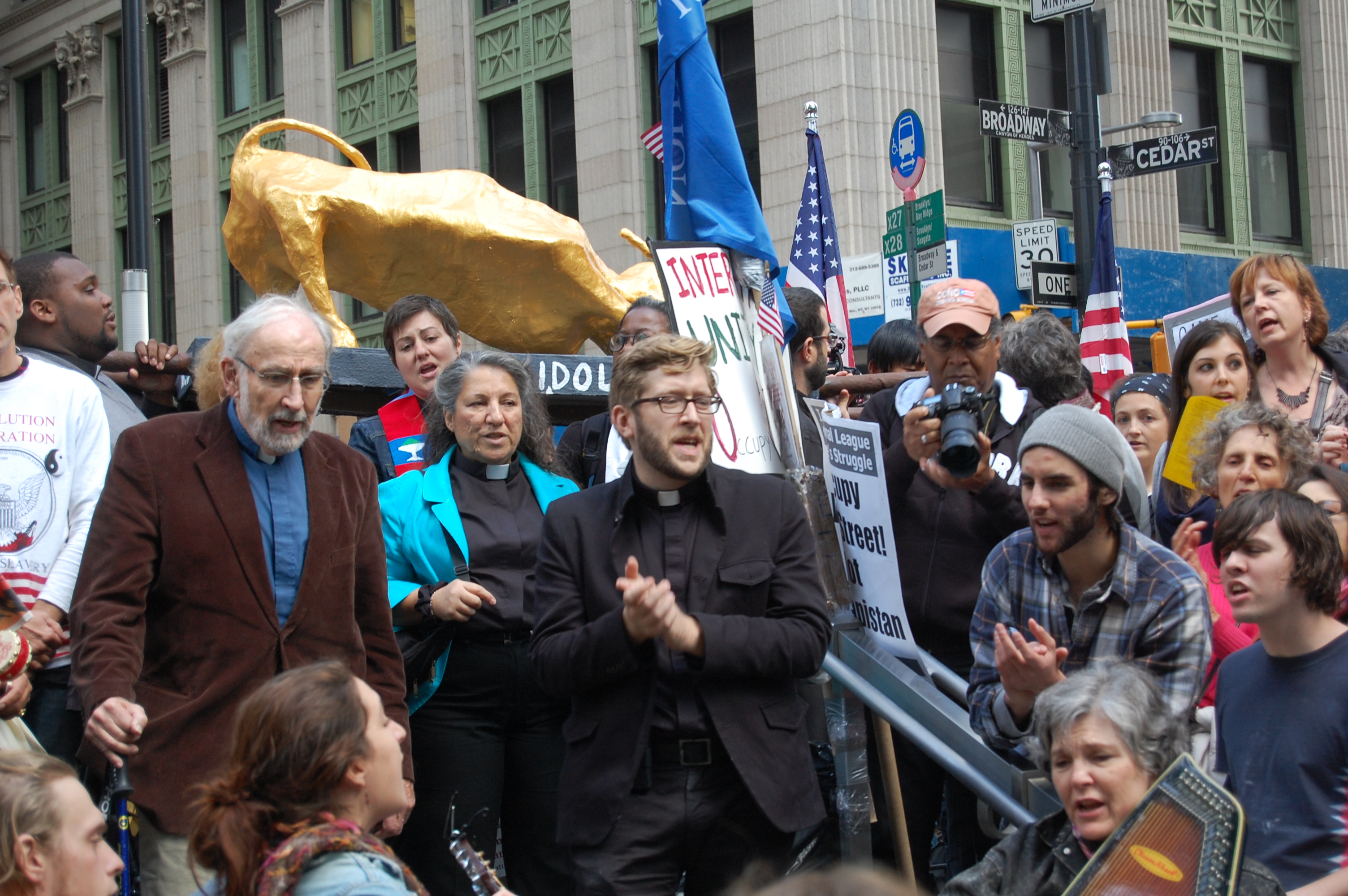 People everywhere are leaving their private spaces and gathering together -- that's already church. This is a Holy Spirit moment.
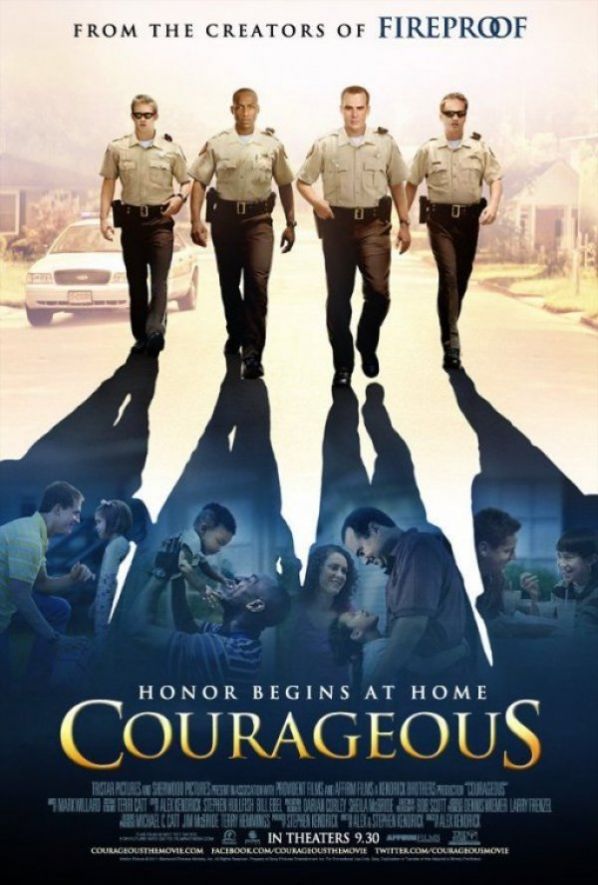
This was not so much a movie as a (very long) sermon. In fact, it's a sermon that actually culminates in a sermon, as Kendrick's character spells out what he has learned in a message delivered to his church congregation.
Despite its well-meaning intentions, Courageous fails to say anything new about fatherhood, family, faith or anything else, for that matter. The few funny or moving scenes are surrounded by clunky acting, overly-moralistic dialogue and a plot that is trying to be three movies in one -- and none of them terribly believable.
Adam Phillips is a Evangelical Covenant Church minister and director of faith mobilization for the ONE Campaign, www.one.org.
This video is the latest installment in an ongoing series at God's Politics where we've asked leading clergy, writers, scholars, artists, activists and others who self-identify as "evangelical" to answer the question, "What is an Evangelical?"
As I lay on the kitchen floor -- my body rocking with sobs, my mouth telling my husband, "I hate my life" -- it never occurred to me to pick up the phone and call a friend.
To tell someone about the life I was living, in which over the last few years rug after rug kept getting pulled out from under me -- my parents divorced, my husband's business tanked, our debt rose, health issues loomed, and our marriage sagged under the weight of it all -- was not something I was wired to do.
In fact, I was mortified when my husband rounded the bend and saw me there, sprawled out on the tile, weeping. Crying and hurting is something I do best alone.
As Christians we have a decision to make. In times of hopelessness and long periods of waiting for things to get better, will we let ourselves be cast into the all-consuming fires of idolatry?
Or, will we stand up against the false gods and catch the flame of the Spirit in our hearts and minds?
Our nation may very well be on the threshold of a crucial change. Who will you be standing with?
As we waste time fanning capitalism's raging inferno, the best parts of ourselves remain frozen.
Last week, Sojourners CEO, the Rev. Jim Wallis, visited with #OccupyWallStreet demonstrators in New York City. "As I listen to them, I recognize what I felt as a young student-activist in the late '60s and early '70s," Wallis said. "I just feel from them what I felt a long time ago, that we're part of something much bigger than us, much larger than us...The visceral feeling [here] is, 'This could really change things.'"
As the evangelical community in Portland rediscovered the calling of showing, in addition to sharing their faith, everything has changed. And it's only the beginning of what God is doing in our city. We're in it for the long-haul.
Not only have many great needs been met, but churches are working together in relationship as never before. The impact of one church humbly serving is profound. But the impact of a united Church serving in concert, actually has the power to change how the world views the Gospel.
Produced by Cathleen Falsani for Sojourners/God's Politics
Photos by Heather Wilson and Carrie Adams/Sojourners
Music by Jason Harrod (used with express permission from the artist)
Song: "For Your Time" from Jason Harrod's album Bright As You, 2006
All Rights Reserved
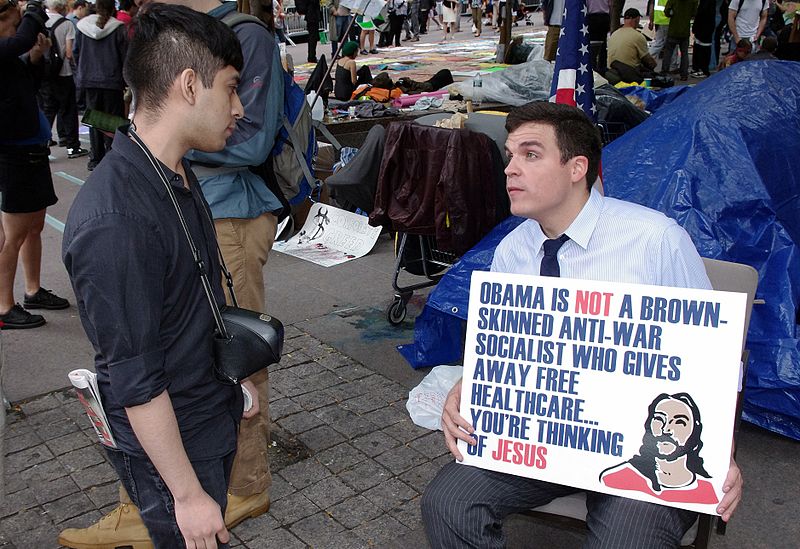
Slowly but surely, as media coverage of the #OccupyWallStreet demonstrations in New York and across the country continues to grow, attention is turning toward what the spiritual/religious/faith elements are to the larger political/social/cultural story.
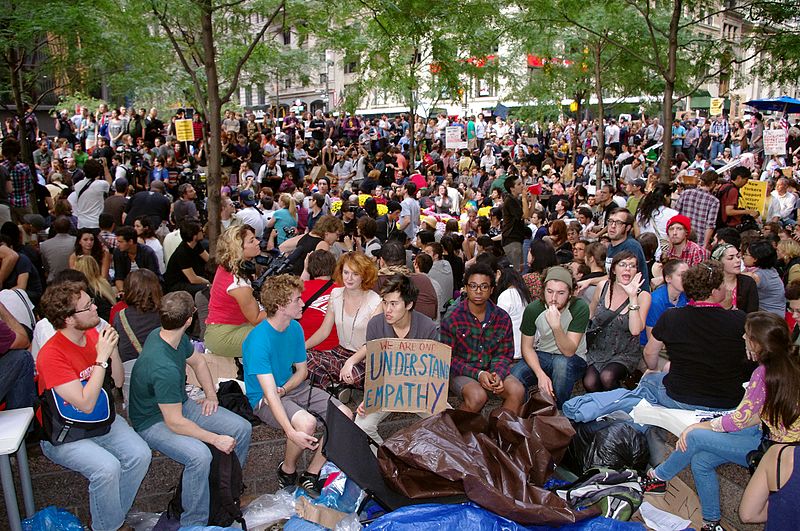
Jonathan, 19, who works at a fast food restaurant, said: "There isn't really room for religion here. We are trying to focus on the big problems we face that we all have in common. Religion gets people focused on too many specifics and divides."
His friend Chris chimed in, "How could anything that caused so many wars be any good?"
I asked a group that was serving food what they would think if more religious people joined.
"Awesome! Some Muslim guys came down and offered to do all the food one day," one young woman said.
"No way!" responded a middle-aged man who had been pointing other protestors to vegetarian sandwiches. "We just got a bunch of food donated by some church in North Carolina."
Many protesters here have had some bad experiences with religion, but it's clear that they are genuinely open to seeing religion done differently.
 Being an Evangelical Christian means accepting grace and being honest about your faith with others.
First, I think you have be honest with yourself and God; and, then, when you’re as true as you can be about both what you actually know and what you actually don’t -- that’s what’s worth sharing.